
Urban Aesthetics: The Art of Photographing City Life
Chosen theme: Urban Aesthetics: The Art of Photographing City Life. Step into streets where light, architecture, and human moments collide. Subscribe for weekly prompts and share your best city frames with our community.
Golden hour geometry
When the sun slides between towers, shadows become rulers and highlights trace edges. Walk parallel to facades, watch for repeating angles, and let silhouettes simplify crowded intersections beautifully.
Blue hour reflections
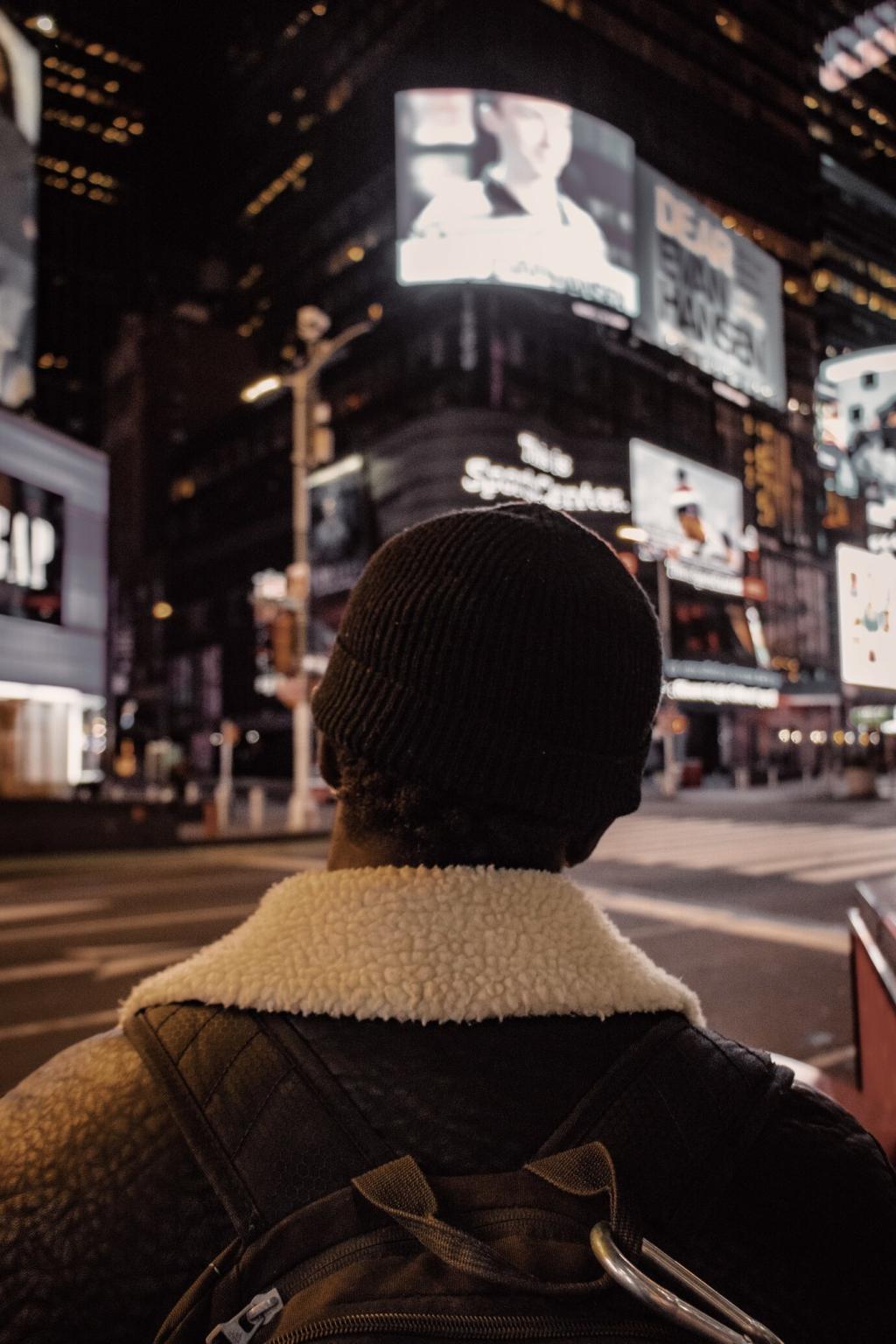
After sunset, the sky turns cobalt while neon ignites. Seek wet asphalt, bus shelters, and shopfront glass to double your composition, building layered scenes without moving an inch.
Midday contrast and open shade
Harsh noon light can still sing. Tuck subjects into open shade, expose for skin, and use bright pavement as a giant reflector. Contrast becomes graphic design, not a flaw.
Composing with Lines, Layers, and Scale
Guiding lines that carry the viewer
Curbs, tram tracks, and shadow edges draw attention exactly where you want it. Pre-visualize the path, then wait for a decisive figure to land at the visual destination.
Layering with glass, frames, and thresholds
Doorways, windowpanes, and bus windows add foreground interest and narrative depth. Shoot through, not at, the city; small overlaps create intimacy and gently compress sprawling stories.
Playing with scale against architecture
A single pedestrian dwarfed by columns clarifies proportion and wonder. Step back, lower your angle, and time the stride so geometry and gesture snap into one coherent moment.
Human Stories and Street Ethics
Watch how shoulders tilt before a turn and how eyes search before crossing. Anticipating micro-movements lets you compose earlier, keeping frames calm while life remains spontaneous.
Tools and Settings for Urban Agility
A small body with a silent shutter paired with a 35mm or 50mm f/1.8 balances discretion and versatility. You blend in, focus faster, and keep moments candid, not staged.
Pre-set focus distance, stop down to f/8, and ride ISO auto. Now you can shoot from the hip confidently, keeping pedestrians crisp as they pass through light traps and patterns.
Stabilization, clean high ISO, and elbows braced against a wall create handheld magic. Embrace slight motion blur to suggest pace, letting taillight streaks sketch the evening’s rhythm.
Color, Monochrome, and Urban Mood
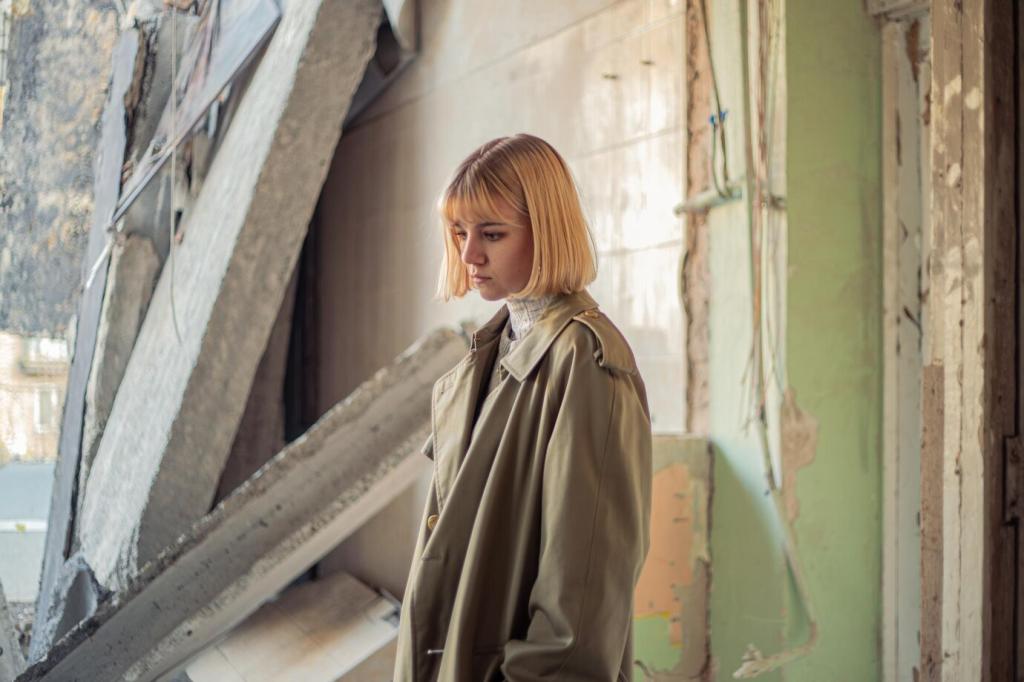
Transit signage, street art, and safety vests offer purposeful pops. Pair complementary hues or repeat one accent across the frame so color acts as narrative, not just decoration.
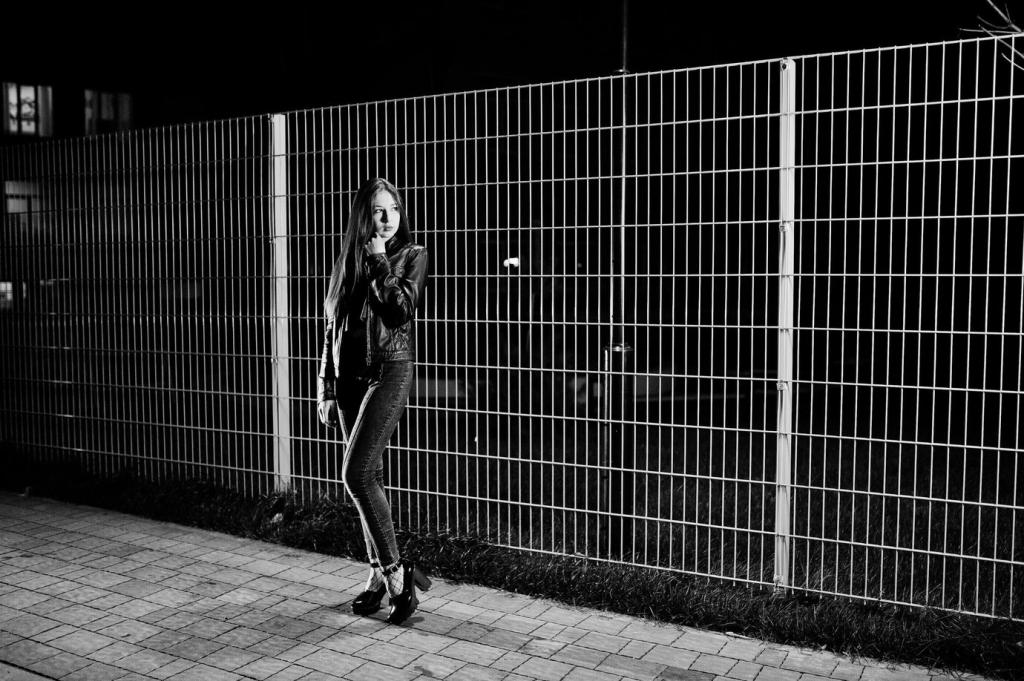
Remove hue to reveal structure: light wedges, reflections, and silhouettes gain authority. Grain adds grit; deep blacks can hint at mystery without veering into melodrama or cliché.
Lift shadows carefully, protect skin tones, and avoid neon oversaturation. Aim for coherence across a series so viewers feel a place’s truth, not only your slider decisions.
Timing, Weather, and the City’s Pulse
Carry a small towel and lens hood; shoot puddles at a low angle to double signage and faces. Raindrops add texture, and umbrellas create instantly readable human silhouettes.
Timing, Weather, and the City’s Pulse
At five o’clock, gestures are sharp and hurried; at dawn, posture softens. Scout both to contrast energy states, building diptychs that reveal how architecture hosts changing moods.
Join our mailing list