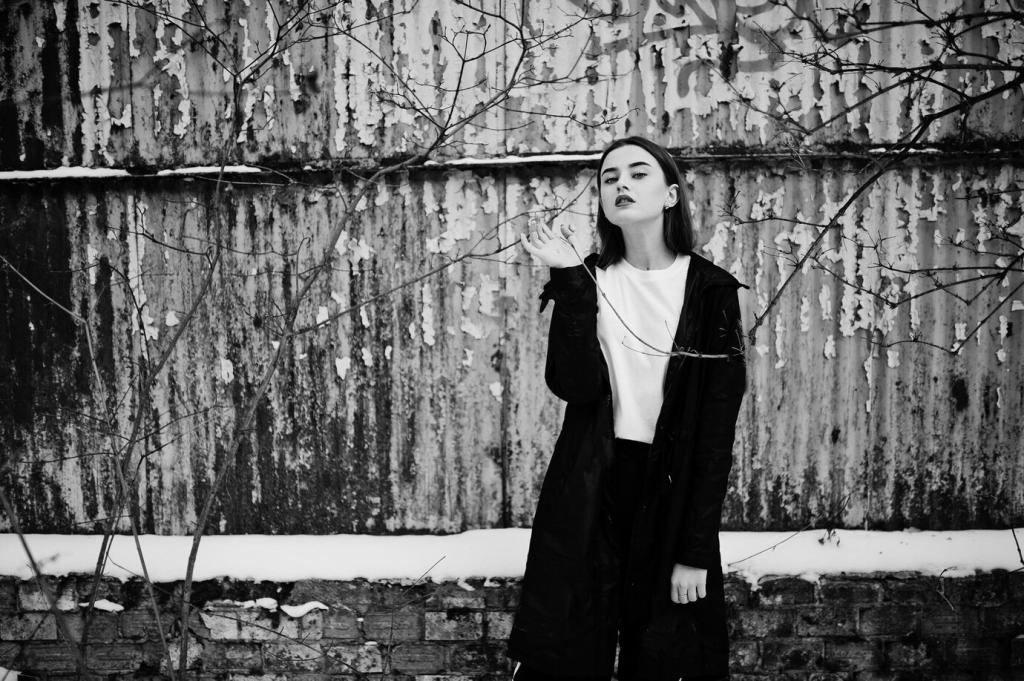
Chosen theme: Dynamic Composition: Enhancing City Photography. Step into the pulse of the streets and learn how lines, motion, color, and story breathe momentum into urban frames. Subscribe for weekly city challenges, share your dynamic shots in the comments, and tell us what movement in your city feels like.
Leading Lines that Carry the Eye
Sidewalk edges, tram tracks, scaffolding, and light trails can channel attention toward your subject and create palpable motion. Tilt slightly, stack diagonals, and let converging lines accelerate the viewer’s gaze. Post an example and tell us which line did the heavy lifting.
Layering Depth with Foreground Action
Place dynamic elements—passing cyclists, fluttering pigeons, rippling reflections—in the foreground to energize static architecture behind them. Shoot low or through railings to add depth. Comment with a layered shot and note your chosen focus distance.
Rhythm and Repetition in Urban Patterns
Buses, crosswalk stripes, windows, and footsteps create visual beats. Align repeating shapes to guide viewers like a metronome. Break the pattern with a human subject to create a punchy syncopation. Share a pattern you exploited for momentum today.
Mastering Motion: Blur, Panning, and Shutter Choices
Slow your shutter to 1/8–1/2s and let crowds streak while buildings stay steady. Blur translates bustle into mood. Anchor at least one sharp element so the viewer has a home base. Post your favorite motion-blur setting and why it works.
Mastering Motion: Blur, Panning, and Shutter Choices
Track a moving subject at 1/15–1/60s, matching its speed to keep it sharp while the city smears behind. Plant your feet, rotate at the hips, and burst. Share a pan and describe how you gauged speed versus shutter.
Compositional Systems Beyond the Rule of Thirds
Use dynamic symmetry grids or simple corner-to-corner diagonals to orchestrate tension. Tilt horizons intentionally when structures support the angle. Post a diagonal-driven shot and note how the line of force shaped viewer flow.
Compositional Systems Beyond the Rule of Thirds
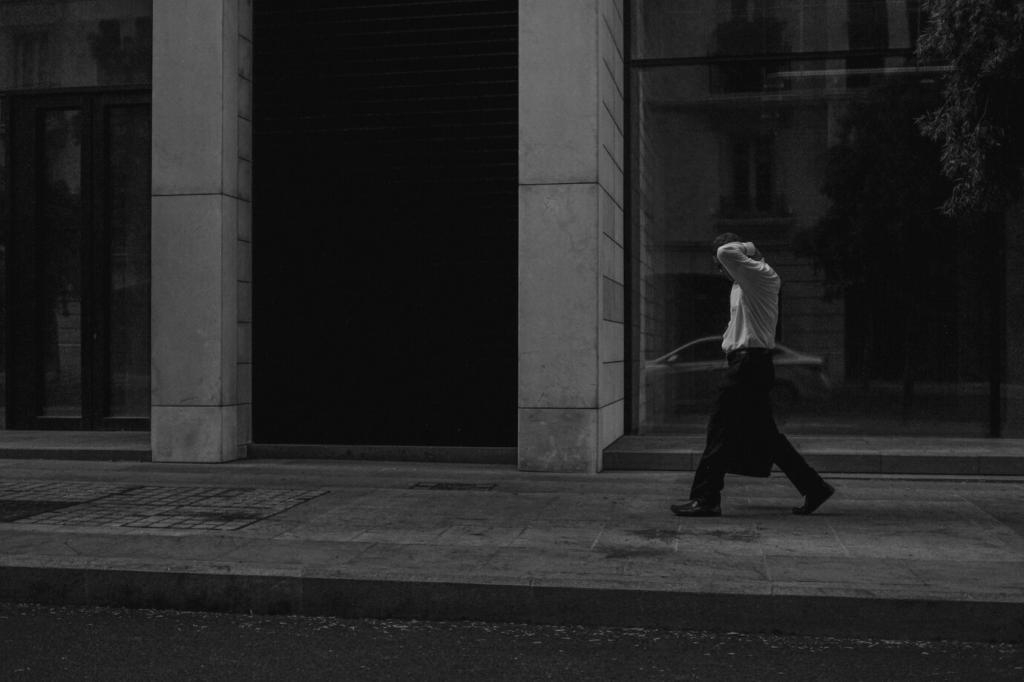
Place a small human figure opposite massive geometry to create kinetic imbalance that begs resolution. Negative mass counters visual weight. Share a city portrait where scale contrast turned stillness into anticipation.
Story-Driven Frames: Micro-Narratives in Motion
Choose a stable anchor—doorway, pillar, or curb—then capture a moment of tension as a subject enters, and release as they exit. Sequence three frames or imply the arc in one. Post your mini-story and the anchor you chose.
Editing for Dynamism: Contrast, Color, and Directional Light
Use complementary color contrast—teal shadows with warm highlights—to push subjects forward. Subtle split toning can imply temperature shifts across the frame. Share a before-and-after and explain your grade’s narrative intent.