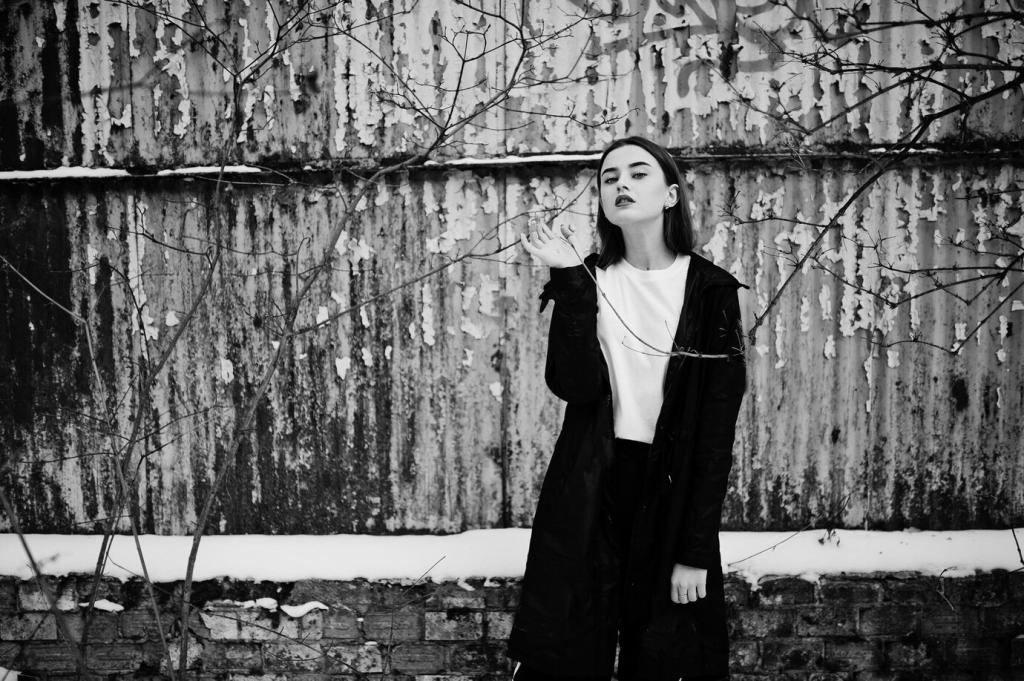
Visual Narratives: Exploring Cityscapes Through Photography
Chosen theme: Visual Narratives: Exploring Cityscapes Through Photography. Step into the streets with a storyteller’s eye, where light, people, and architecture become characters. Subscribe, share your favorite city shots, and help this living narrative grow with every frame.
Seeing the City as a Story
01
Characters in Concrete and Glass
Treat buildings like characters with moods, motives, and histories. A weathered brick facade whispers resilience, while a mirrored tower broadcasts ambition. Share a photo where architecture felt alive, and tell us which emotion that structure voiced most clearly.
02
Plotlines of Light and Shadow
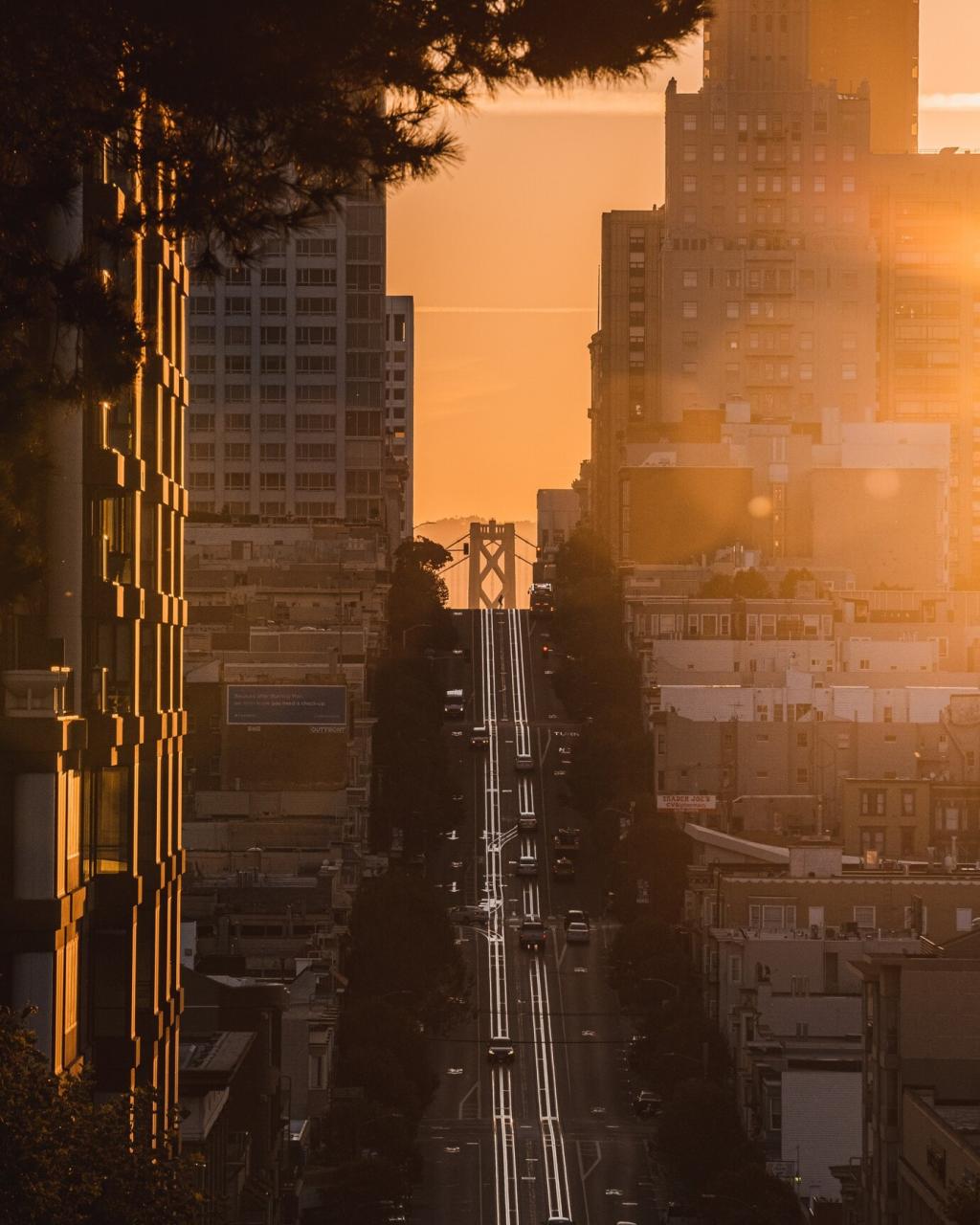
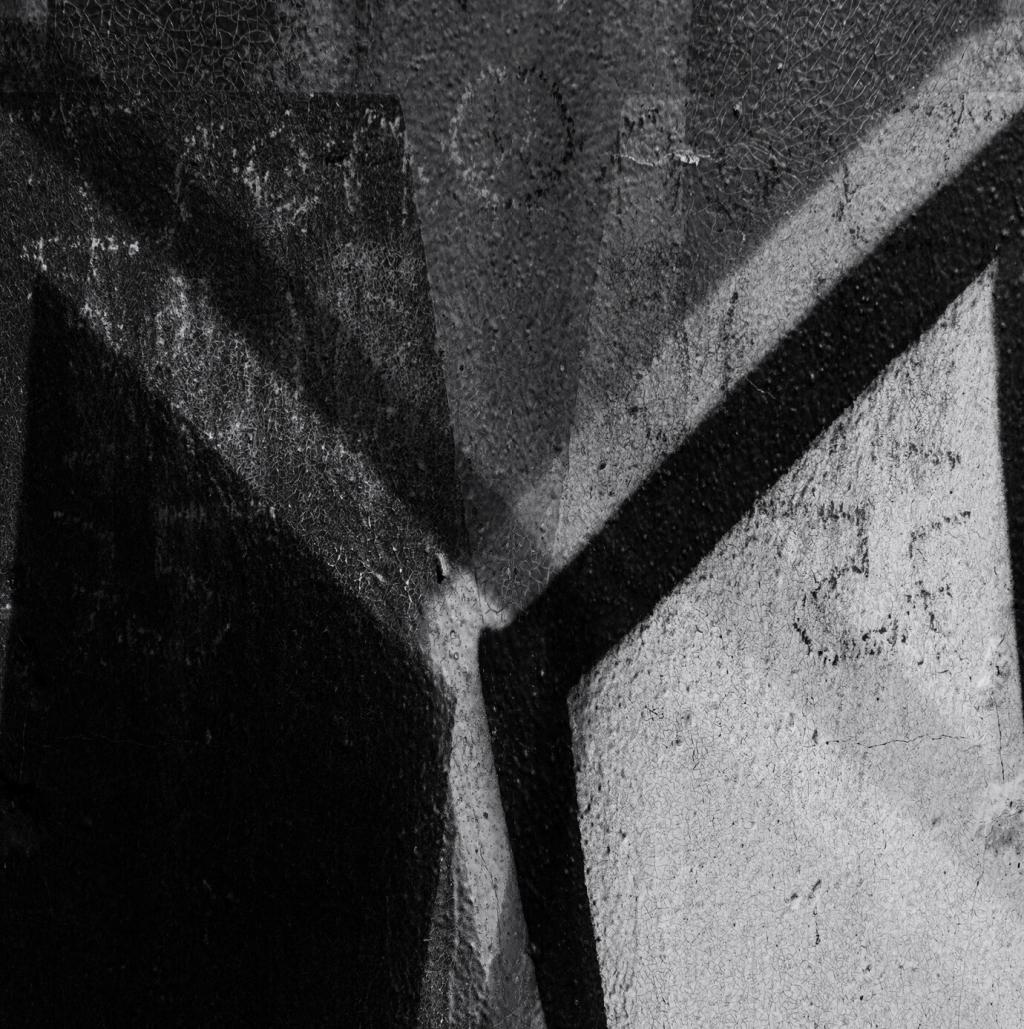
Watch how morning sunrays sketch hope across sidewalks, and how evening shadows complicate the narrative with suspense. Try tracking light for an hour, then post two contrasting frames. Comment on how the plot changed between them.
03
Setting the Scene
An establishing shot anchors your audience in place. Capture skyline, street grid, and horizon clues that hint at culture and pace. Send us your favorite city ‘opening shot’ and describe the story expectations it sets in viewers’ minds.
Blue Hour Whispers
At blue hour, streets soften, colors harmonize, and reflections deepen in puddles and glass. Capture that hush before the day begins. Share your calmest blue-hour frame and describe what unspoken dialogue the light carried across the scene.
Rush Hour Pulse
Use slower shutters to paint motion blur and reveal the city’s heartbeat, or freeze expressions to distill urgency. Try both approaches at the same junction. Comment on which version better communicates the energy your viewers can almost hear.
Night Neon Narratives
Neon signs and screen glow create saturated color plots. Control highlights and embrace shadows to keep mystery intact. Post a night image and ask subscribers which color they feel drives the scene’s emotion—then discuss your grading choices openly.
Human Moments in Urban Landscapes
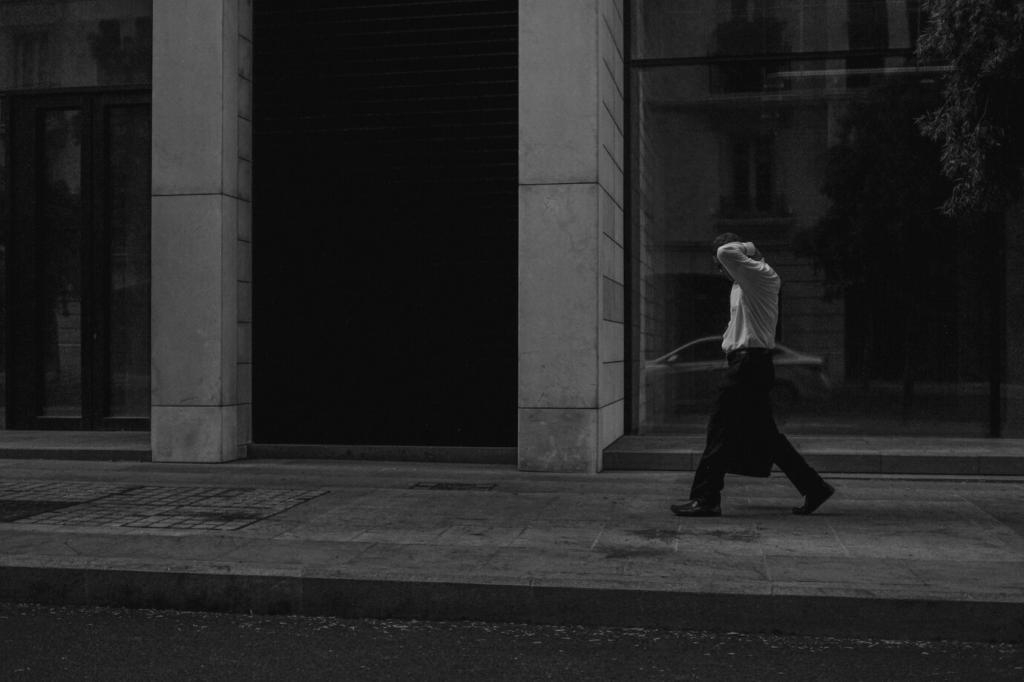
Approach candid scenes with care: consider context, body language, and privacy norms. A sincere gesture or shared smile can earn consent after the moment. Share your code of ethics in a comment and inspire mindful storytelling in our community.
Wide angles reveal relationships between subjects and surroundings, while telephotos compress distance to intensify connections. Prime lenses encourage footwork and intention. Share two images from different focal lengths and discuss how each revised your storyline.
Manual Control as Narrative Authority
Shutter speed dictates tempo, aperture sculpts emphasis, ISO sets mood through grain or clarity. Decide what matters most in each scene. Post settings alongside a frame and ask subscribers which adjustment would shift the plot most convincingly.
Post-Processing as Editing
Color grading shapes emotion; dodging and burning direct attention; cropping refines pacing. Edit lightly to preserve truth, boldly to declare perspective. Share a before–after pair and invite thoughts on how the grade altered the story’s voice.
Sequencing for Impact
Curate images as chapters: establish setting, introduce characters, escalate tension, resolve with a reflective pause. Ask subscribers to reorder your sequence and explain their reasoning—collaborative editing can reveal surprising narrative logic.
Write captions that deepen context without overtelling—offer time, place, and a question that sparks interpretation. Share one image with two different captions and invite readers to vote on which prompts richer viewer participation.